





















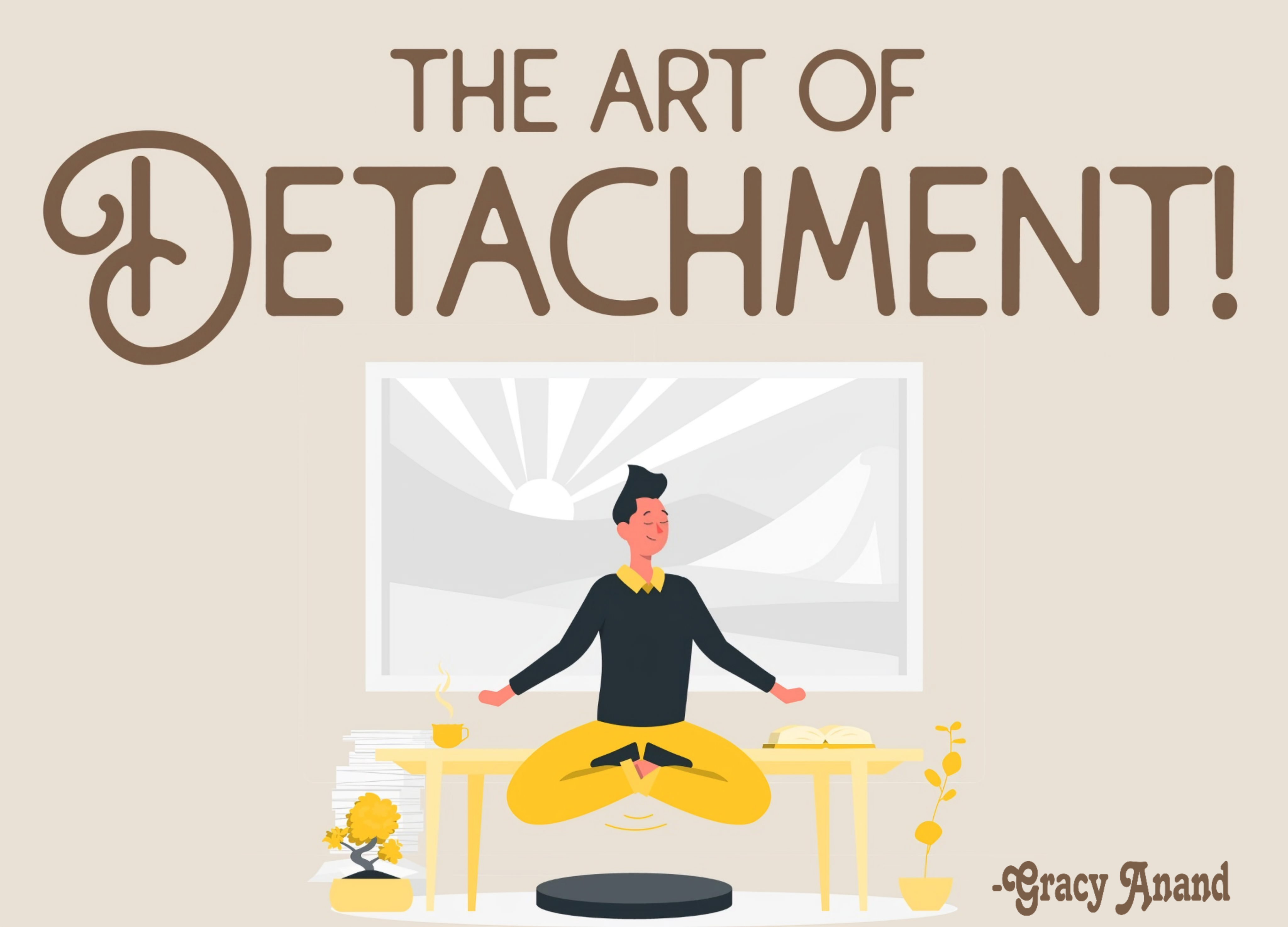
Getting attached to someone unintentionally is quite normal. However, the problem arises when we cannot move on from that person. I understand completely!
I used to get attached to people and, in return, had high expectations. As a result, I often ended up suffering terribly. Humans are peculiar creatures. Those who master the art of detachment can truly live fulfilling lives.
I got attached to someone who knew about it but didn’t feel the same way towards me. Naturally, I ended up suffering.
It’s such a small and childish event, but there are plenty of things we get attached to. At its core, detachment means letting go of our attachments to people, outcomes, and material possessions.
It’s well said that when your suffering is immense, great happiness awaits you. I was deeply broken at first, got into fights with my close ones, and things started getting messed up.
I gave myself time to suffer and experience those moments. Later, after some time, I was determined to bring about a change in my life.
I took up healthy activities and spent time with my loved ones.
Benefits of Detachment:

- Emotional Balance:
- Helps bridge our happiness and emotional stability.
- Inner Peace:
- Brings a sense of calmness and peace.
- Clarity and Focus:
- Allows us to focus on what truly matters.
- Better Relationships:
- Helps in developing healthy relations with people.
How to Cultivate Detachment:
I began practicing meditation and mindfulness chanting. I’m into Nichiren Buddhism, and this profound philosophy became my guiding light through my moments of agony.
Meditation and Mindfulness:

- Observe your emotions and respect them.
- Acceptance:
- Accept life as it is, without trying to control everything.
- Self-Reflection:
- Understand the root cause of your issues and have a healthy discussion with yourself.
- Set Boundaries:
- Set high standards and stick to them. Know when to step back and take care of your well-being.
- Non-Reactive Approach:
- Practice responding to situations with calmness.
- Think Twice:
- Reflect on your thoughts twice before taking any action.
- Practice Gratitude:
- This shift in perspective can reduce attachment to desires and outcomes.

”Personally, the philosophy of Nichiren Buddhism has helped me a lot, and now I am a wiser and more detached person. Detachment is not an inbuilt trait; you can still become better at it. Embrace the art of detachment and discover the freedom it brings.”
- This shift in perspective can reduce attachment to desires and outcomes.
- Helps in developing healthy relations with people.
Instagram- Gracy Anand